Rodent Obstruction through Drone-Enabled Non-invasive Technology
Rodents can cause serious damage to agricultural crops, reduce yields and create economic losses for farmers. Traditional pest control often relies on chemical pesticides, which may affect soil, water, biodiversity and the wider environment. The RODENT project was developed in response to this challenge, with the aim of exploring a more sustainable, non-invasive and technology-based approach to crop protection.
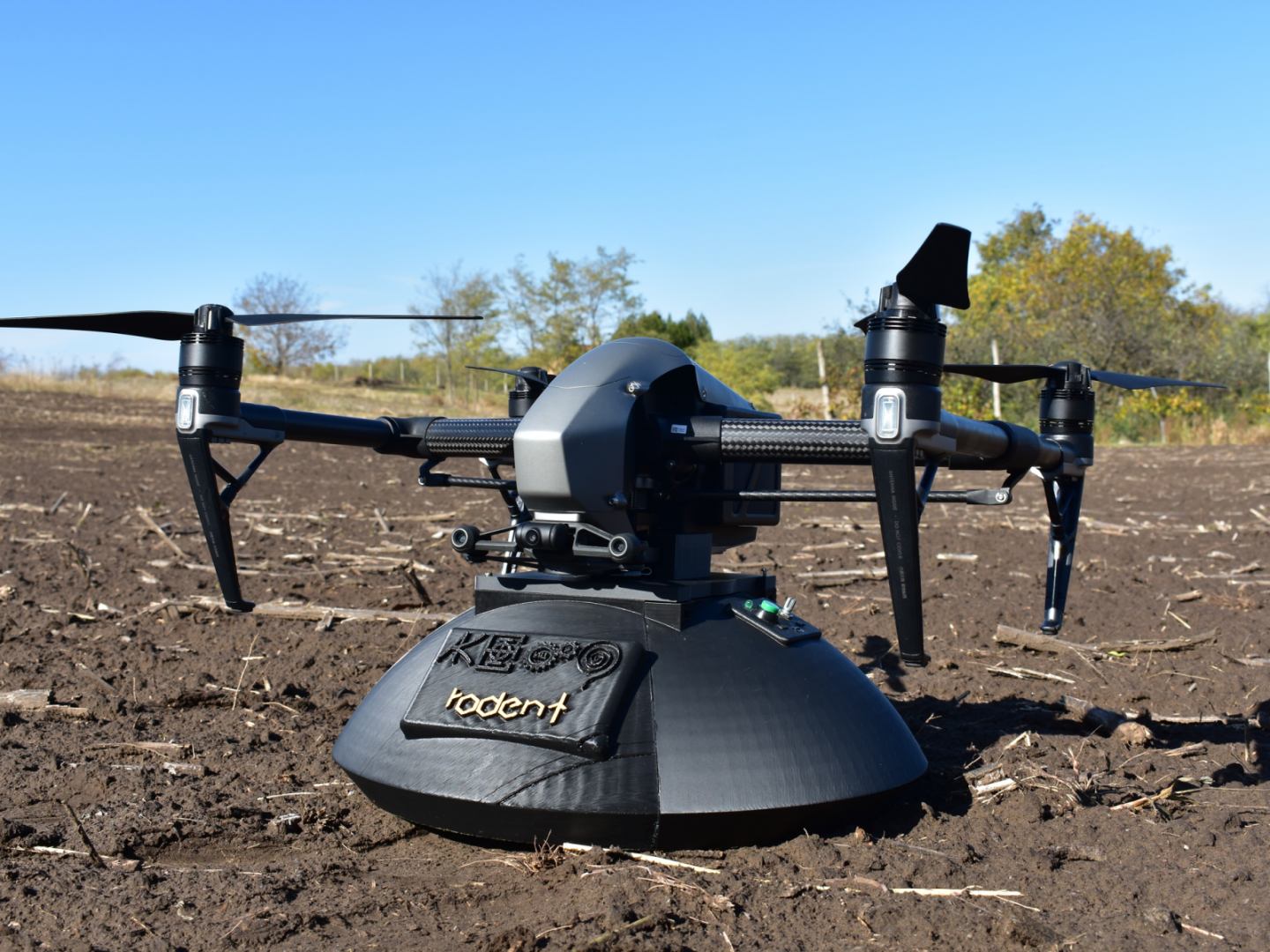
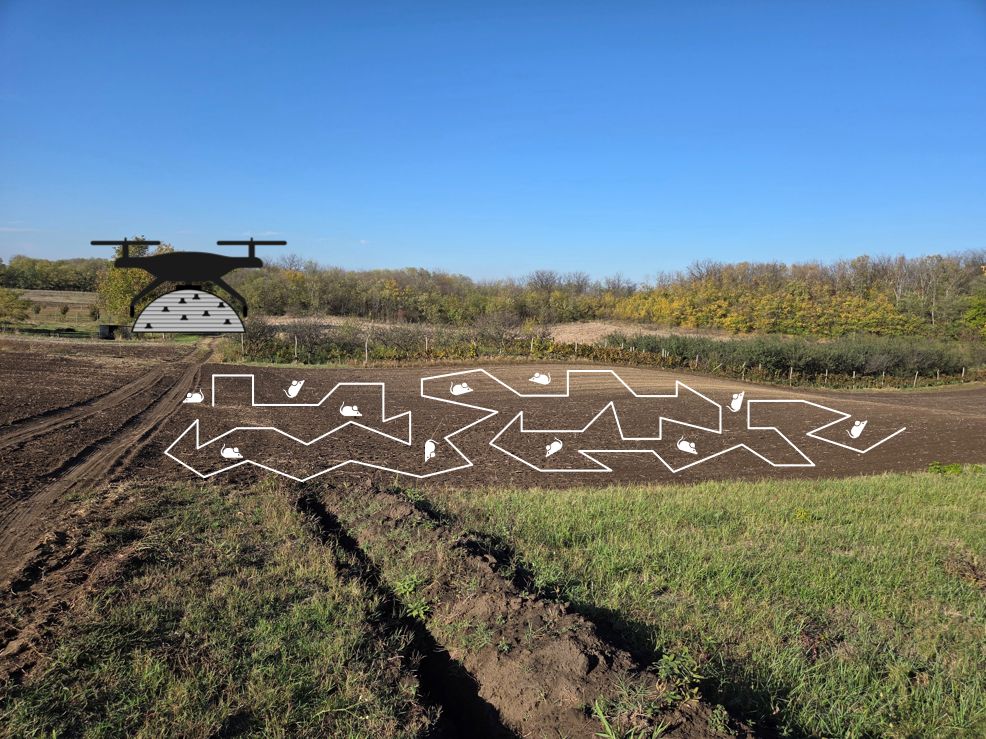
The goal of the project was to develop and test a drone-based system that uses directed acoustic signals as a non-chemical method for deterring rodents from agricultural fields. The drone platform was used to make the solution mobile and adaptable to different field layouts, while the specially designed acoustic system enabled a specific soundwave tailored to the rodent’s hearing range to be directed toward the target area. Custom electronic components were developed to control and power the acoustic equipment, and mechanical mounts were designed and 3D-printed to safely connect the system to the drone without compromising flight stability. Software tools and optimization algorithms supported the planning of drone movement, helping the system cover agricultural areas more efficiently. Thermal image analysis was also considered as part of the broader concept, with the aim of improving field assessment and supporting future data-driven use of the system.
The project’s main challenge was to bring together different areas of expertise into one working system suitable for field testing. This included acoustics, drone operation, embedded electronics, mechanical design, signal processing, optimization and agricultural practice. Through this integration, RODENT demonstrated how advanced engineering and digital technologies can support sustainable crop protection in real agricultural environments.
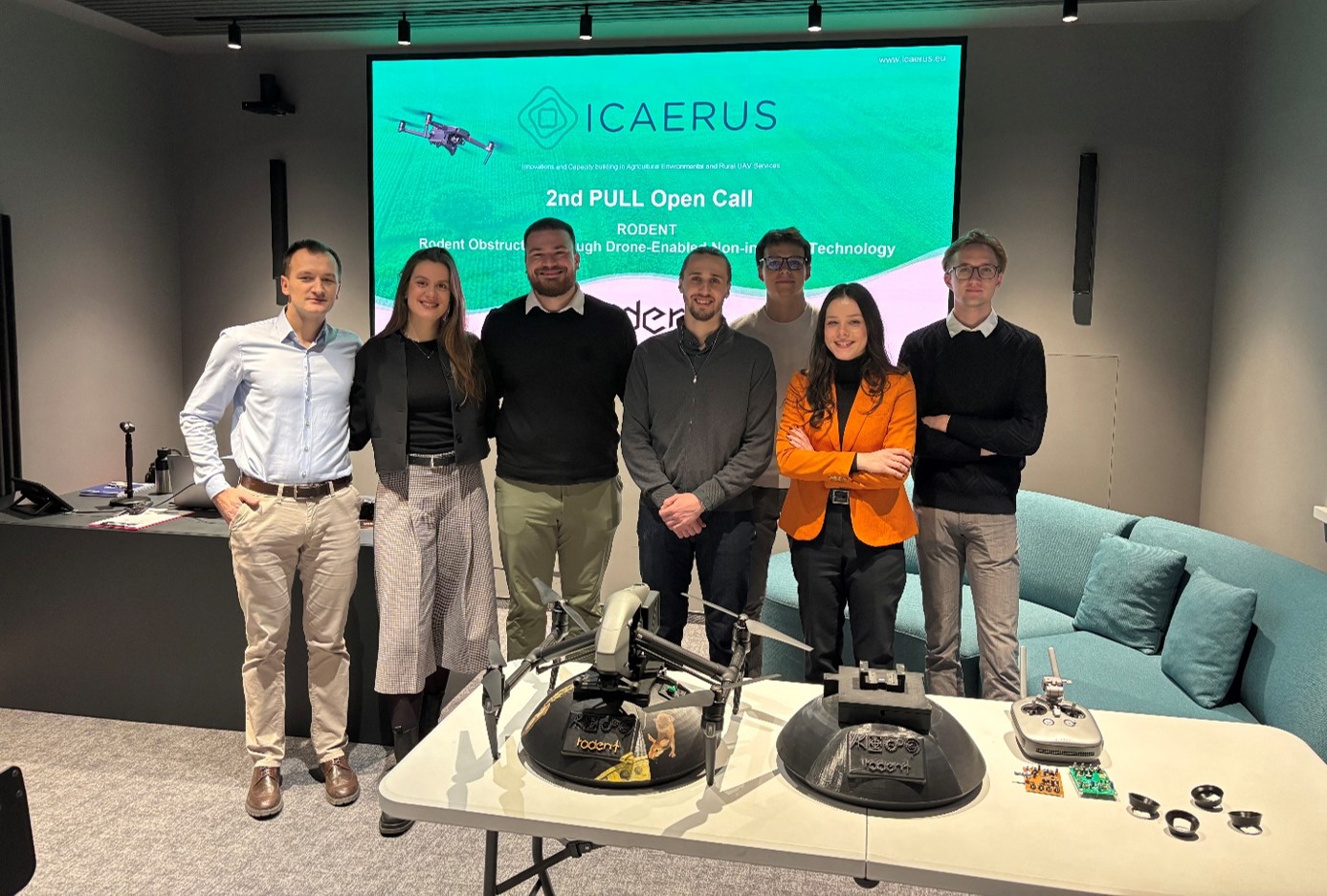
The RODENT project (Rodent Obstruction through Drone-Enabled Non-invasive Technology) was implemented within the European project ICAERUS – Innovation and Capacity building in Agricultural Environmental and Rural UAV Services, funded through the Horizon Europe programme, Grant agreement No: 101060643 .